How to Protect Walls and Floors During an In Building Transfer
One Big Man & One Big Truck Moving Co. Inc. • October 6, 2026
Moving to a different unit in the same complex seems like a simple afternoon project until you realize the physical risks involved. The professionals at One Big Man & One Big Truck Moving Co. Inc. know that tight corners and narrow corridors present massive hazards to building interiors. Without proper preparation, a quick cart load of furniture easily gouges expensive drywall or tears up lobby carpeting. Executing a safe In Building Transfer means treating the shared property with the exact same care as your own belongings.
Many Sunnyvale property managers maintain strict rules about moving large items through their finished corridors and passenger elevators. Failing to follow these protection protocols often results in hefty fines or the total loss of your initial security deposit. Implementing specific physical barriers keeps the property intact and prevents uncomfortable conversations with your landlord. You need a dedicated strategy to shield every surface before the heavy lifting even begins.
What We Cover:
- Immediate Prep for Floor Surfaces
- Common Maintenance Mistakes That Ruin Walls
- Securing Elevators and Door Frames
- Extending Protection to the New Unit
Immediate Prep for Floor Surfaces
Protecting the floors between your old apartment and your new space requires laying down industrial materials that stay firmly in place. Heavy foot traffic and rolling carts will quickly destroy unprotected carpets and scratch sensitive vinyl planking. Building a continuous path of protection prevents dirt tracking and mechanical damage during the transit process.
- Hardwood Coverage: Roll out heavy duty construction paper over all hard flooring and tape the seams with specialized painter tape to prevent slipping.
- Carpet Masking: Apply self adhesive carpet film in high traffic areas to block mud and prevent heavy dolly wheels from tearing the carpet fibers.
- Entryway Mats: Place thick moving blankets at the threshold of both apartments to catch loose debris before it enters the living space.
- Plywood Pathways: Lay flat sheets of masonite board over soft outdoor grass or gravel if your path requires stepping outside the main building.
Common Maintenance Mistakes That Ruin Walls
The most frequent error people make during a local transfer is assuming they can simply carry wide furniture through narrow shared hallways without bumping the walls. People often skip wrapping their items, believing that a short distance negates the need for proper padding. This mistake leaves sharp wooden table legs completely exposed, turning them into battering rams that easily puncture thin hallway drywall. Utilizing our Apartment Moving Services ensures your bulky items are fully padded before they ever enter the public corridor.
Are tenants responsible for hallway damage during a move?
Property managers hold tenants financially liable for any cosmetic or structural damage inflicted on the common areas during their residency. Landlords conduct thorough hallway inspections before and after a scheduled move to document fresh paint scrapes or dented baseboards. If your heavy dresser takes a chunk out of the elevator frame, the repair costs are deducted directly from your personal security deposit.
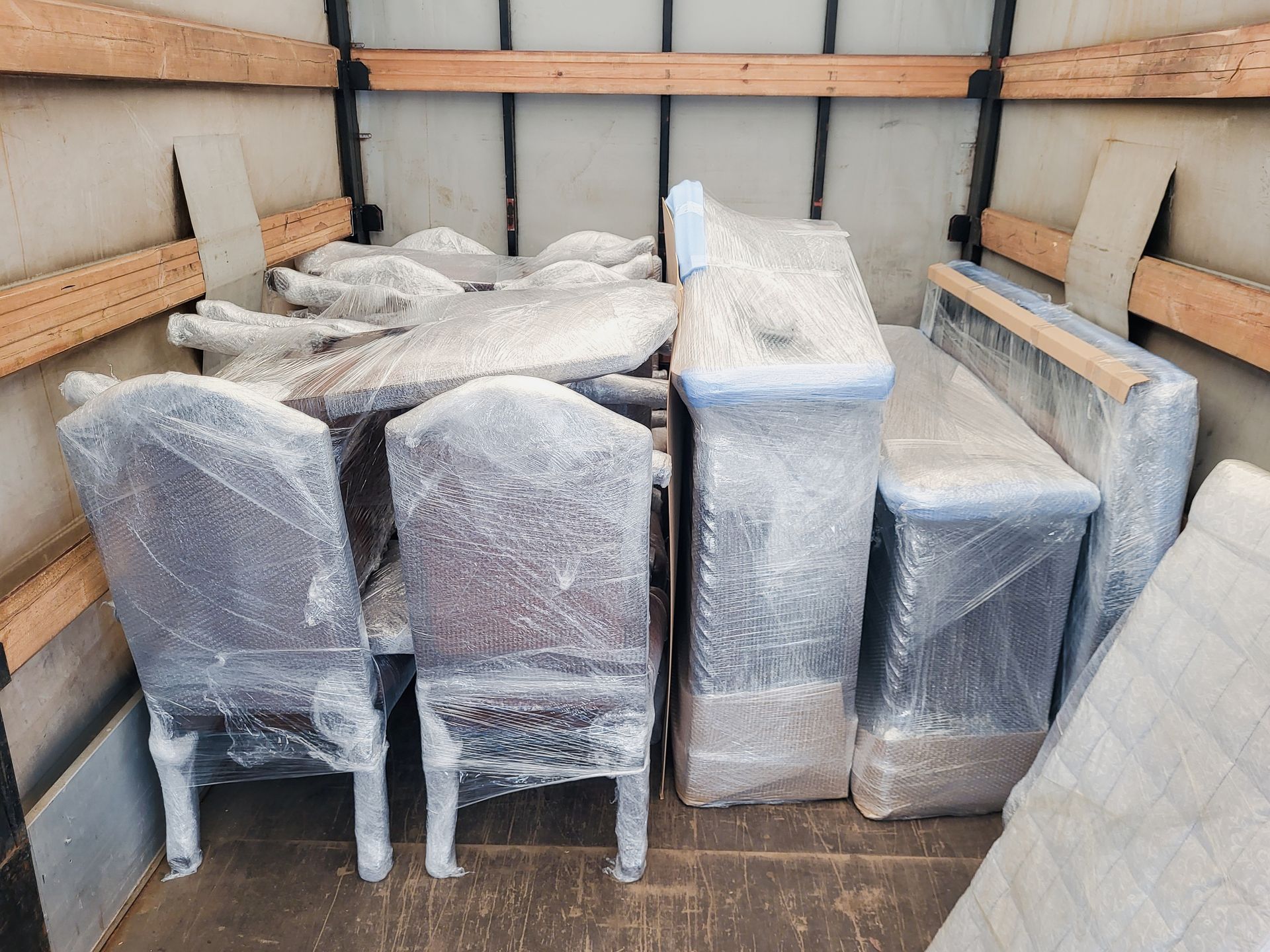
- Furniture Wrapping: Bind every piece of hard furniture in thick quilted moving pads to soften the blow if the item accidentally brushes against a painted wall.
- Corner Guards: Tape heavy cardboard corner protectors onto the sharp edges of your dressers and desks to neutralize their impact potential.
- Dolly Overloading: Never stack boxes higher than your line of sight on a hand truck, as blind steering leads directly to wall collisions.
Securing Elevators and Door Frames
Passenger elevators and apartment entryways represent the narrowest choke points of your entire moving route. The metal tracks of an elevator door are highly sensitive to heavy weight, and the interior cab panels scratch easily when metal bed frames rub against them.
► The single most important rule of elevator moving is to never block the sliding doors open with heavy furniture, as this destroys the internal motor sensors.
- Door Jam Protection: Clip padded door frame protectors onto your main entryway to shield the wood trim from wide couches and heavy appliances.
- Elevator Padding: Ask your building manager to hang the protective padded curtains inside the elevator cab before you begin loading items.
- Track Clearing: Sweep the bottom sliding tracks of all exterior doors to ensure dirt and pebbles do not derail the heavy sliding glass.
- Propping Protocol: Use proper heavy duty rubber wedges to keep manual doors open safely without placing stress on the hinges.
Extending Protection to the New Unit
The job of protecting the property does not end once the items are safely off the moving cart. Unpacking requires the same level of environmental awareness to keep your freshly cleaned apartment in pristine condition.
- Soft Landings: Place heavy boxes gently onto padded blankets rather than dropping them directly onto bare floors.
- Furniture Assembly: Rebuild heavy beds and dining tables on top of a rug to prevent metal hardware from scratching the floor during the setup process.
- Wall Clearance: Leave a small gap between the back of your furniture and the freshly painted walls to prevent dark scuff marks over time.
- Trash Removal: Flatten all empty cardboard boxes and carry them out in small batches to avoid scraping the hallway on your final exit.
Securing Your Security Deposit
Implementing these strict physical barriers guarantees that your shared building corridors remain completely untouched. Guarding the property against accidental damage saves you money and keeps you in good standing with your property management team. Reach out to our office to book a professional crew that knows exactly how to navigate your building safely.
Share This Blog